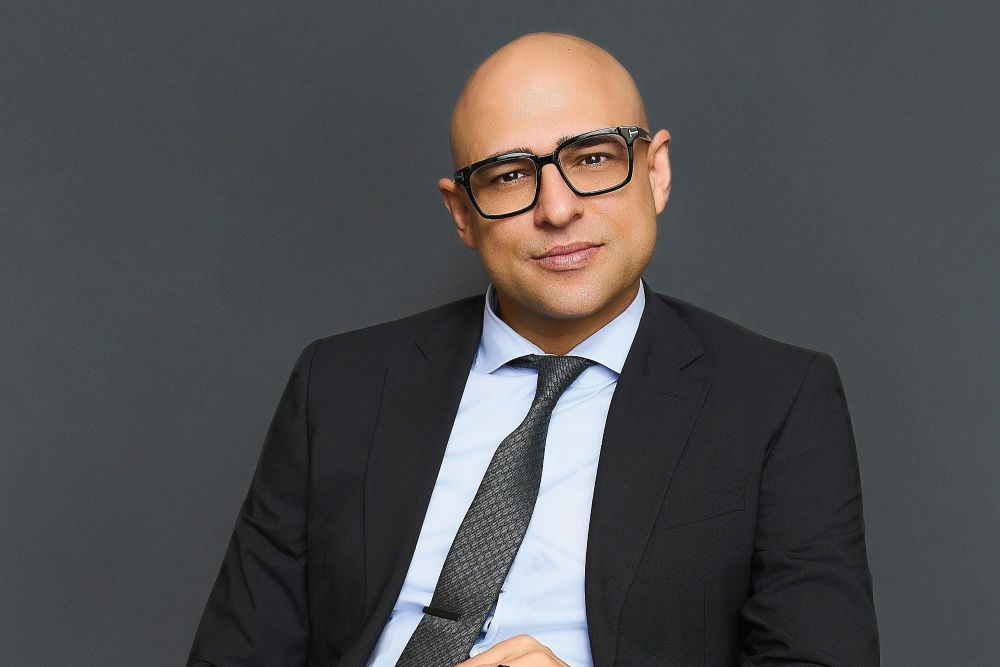

Brand Law Group founder Anton Abramyan sat down with us to discuss his journey to personal injury law and the defining characteristics that have pushed his firm forward to success over the years.
AALM: How did you first find a passion for justice?
AA: I believe that people who suffer unjustly and lack a voice to speak out for themselves sometimes need others to speak out for them, and some of us were given the ability to speak up for others. When I began studying in college, I became more aware of the injustices going around in the world. I realized how pervasive both natural and manmade unfairness can be. This understanding only deepened my desire to do something about it.
As a young man, I committed myself to martial arts, training for several years. I’ve always been inspired by individuals like Bruce Lee and Muhammad Ali, who stood up for their beliefs in the face of overwhelming circumstances by fighting not just with their fists but also with their minds.
AALM: Tell us about your early career. What prompted you to launch your own practice?
AA: When I first started my career, having a precise plan was less necessary than having blind courage and self-belief. I knew that the more I put myself through, the more I would eventually be able to manage, so I was prepared to put in a lot of effort, even if it meant working for nothing.
Before Brand Law Group, I was a partner at another firm where we handled a variety of matters including real estate, business law, as well as personal injury. My passion for personal injury litigation—for helping those in need who have often suffered due to events beyond their control—motivated me to create Brand Law Group.
It felt much more fulfilling helping someone like a single mother following a car accident than it did to represent companies.
AALM: Tell us about the name behind the firm – Brand Law Group.
AA: “Brand Law Group” reflects my own dedication to supporting individuals throughout difficult times. It’s not just about money; it’s about supporting people’s physical, emotional, and mental healing. Seeing someone recover from an injury is incredibly fulfilling. Getting a good verdict or settlement is like an architect finishing a project and appreciating its beauty. Knowing that I’ve assisted someone in rebuilding their life and obtaining justice for them gives me a sense of achievement. I do what I do because of this, and I give my clients all my focus to receive the justice and care they are due.
AALM: How have you sought to differentiate your firm from others?
AA: At Brand Law Group, providing excellent client service is our primary focus. We commit the time and resources required to properly prepare each case, emphasizing support and transparent communication all along the way. From factors that may affect their personal lives to medical and legal issues, our staff is dedicated to making sure our clients always feel informed and confident about their decisions.
Being responsive is one way we differentiate ourselves. Timely communication is our top priority, and we take pride in never making clients feel ignored.
We also choose our clients with care. We won’t take the case if we don’t think the client is a good fit for our firm. We appreciate the clients who value our principles and have faith in us to represent them. It drives us to become better lawyers in order for them to live better lives.
We work hard to keep our team and clients in a professional and positive environment. Instead of concentrating on short-term financial gain, we prioritize establishing long-term connections and attaining justice. Everything we do is guided by our core principles of justice, commitment, and trust.
AALM: You say relentlessness is an essential trait to a lawyer. How would you define relentlessness in action? Tell us about a case that best demonstrated your own relentlessness?
AA: The constant commitment to obtaining justice for your client despite the challenges is known as relentlessness in action. It’s about going beyond basic skills, whether it’s studying the medical literature of your client’s case, speaking with experts, or learning from other lawyers. It takes humility, an open mind, and the ability to deal with discomfort, particularly when one lacks specific experience. It is crucial to think that an unfair result needs to be challenged.
Refusing to tolerate the other side’s avoidance or delays is an important aspect of being relentless. An example was in a case we handled involving Lyft, the defendant employed delay strategies for a full year to avoid paying, but we persisted and eventually secured a favorable result for our client. We faced strong resistance and disagreements on liability in two traumatic brain injury cases, but our perseverance led to a $400,000 settlement, in each case, something we would not have been able to do had we given up.
Driven by our determination, regardless of the challenges or delays, we’re relentless and focused on our end goal of getting the greatest outcome for our clients. It’s about persevering no matter how difficult the path gets.
AALM: There are many traits lawyers need to be successful in the practice of law. Why do you believe honesty is one of the most crucial? How have you built honesty into your law firm culture?
AA: Honesty is essential to becoming a great lawyer, particularly when it comes to trial work. After more than 13 years of litigating personal injury cases, honesty remains the key element when dealing with the facts of a client’s case, the medical science behind their case, and my own skills as an attorney. Honesty is what establishes trust in the courtroom. Your standing is only weakened when you deceive other people.
At our firm, honesty is a key value. Although I’ve had the honor of working with reliable individuals like my associate attorney Rozie Kanimian, Esq. and my legal assistant Tamar Koosherian; unfortunately, I have also had the displeasure of working with dishonest people in the past. I can now identify from experience the uneasy, incomparable feeling that arises while working with dishonest people. Since our profession is already difficult enough, I’ve learnt to stay away from such situations and to put integrity and trust first.
Being truthful with clients is equally crucial. I think it’s important to give them an honest evaluation of their situation, even if the truth is difficult. It’s crucial to be honest about how a client’s failure to complete responsibilities, such as going to doctor’s appointments, may affect their case. Being open about possible consequences and risks develops trust and ensures that everyone is on the same page.
AALM: Looking back on your career, tell us about any mistakes you made and how they shaped the lawyer you are today.
AA: Looking back, the most impactful lessons I’ve learned haven’t always come from specific mistakes but from a mindset of continuous learning after every case. Whether I win or lose, I always try to go back on each case and ask myself, “What did I learn?” For instance, I have taken on several difficult premises liability cases involving government entities over the last few years. I was aware that there was a genuine risk of losing money and effort in these complicated cases. However, they taught me priceless lessons about legal matters, such as trail immunity and natural condition immunity. I may not have profited financially from these cases, but the knowledge I acquired made me a better lawyer.
AALM: Looking ahead, what are your goals or plans for your firm.
AA: My main goal going forward is to keep growing the firm’s litigation practice and gain even more trial experience. In the end, I aim to turn our firm into a specialized trial firm with its focus on managing complex litigation cases. Apart from expanding the firm’s trial capacity, maintaining and improving the quality of services we offer our clients is another important goal. As we expand, it’s critical that we maintain our high standards while also consistently improving the client experience. A significant portion of that involves educating our employees to manage increasingly complicated trial and litigation cases so that we are prepared for any challenges that may develop.
AALM: Is there anything else you’d like to add?
AA: I want to give young people a message of hope, especially those who might feel confused or excluded while in school. You don’t have to have everything sorted out. Even if you are unsure of your specific destination, have belief in yourself. I had concerns about where my life was heading, my ability to succeed, and my sense of belonging, however I kept at it, I never gave up, and when I passed the bar and became a licensed attorney, I gave 100% to my craft.
Through it all, I discovered that fear is a necessary component of development. Fear can either prevent you from succeeding or strengthen your will to do so. Instead of letting fear overtake you, let it motivate you to put in more effort and fall forward. It’s all part of the journey. The good, the bad, and the in between. Continue to have faith in your dream, remain steady, and let your desire for achievement overcome any challenge.
For more information, visit brandlawgroup.com.