



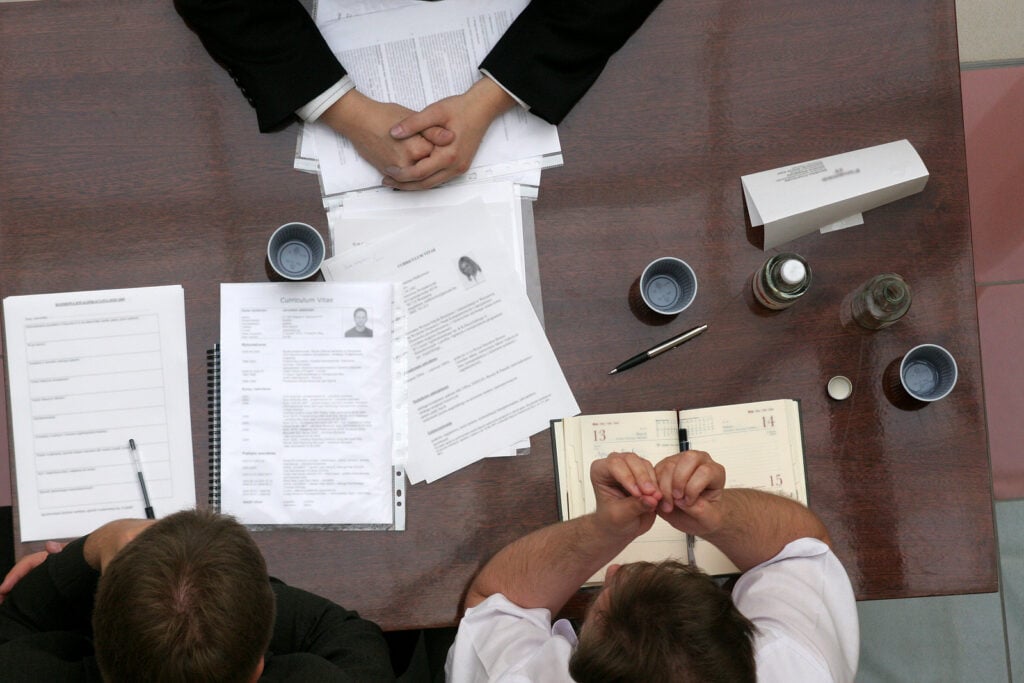

If you’ve mediated a case in recent years, you’ve probably noticed a trend that parties are increasingly stating they want to skip the joint session and proceed straight to caucus.
For many mediators, this raises a concern. The mediator is responsible for safeguarding the mediation process, which historically begins with a joint session. The joint session is intended to be the hallmark of the mediation and is an integral part of the process. Traditionally, the joint session has served several important functions. It gives the mediator an opportunity to establish tone, set ground rules, and build rapport with all the parties at once. It is a moment for dialogue and understanding of the other side’s position. The opening statement is a tool — one that should be used thoughtfully, strategically, and with clear purpose. When the joint session is skipped, the mediator loses the opportunity to create goodwill and help the parties feel comfortable.
Although litigation by its very nature is adversarial, in recent years civility has been eroding from civil litigation. There are theories about why this is happening, including treating the practice of law as a business rather than a profession, heavier workloads, stricter deadlines, and higher client expectations, as well as declining personal relationships. I have heard from some attorneys that they want to waive the opening statement to avoid direct confrontation with opposing counsel in the presence and/or at the expense of their clients. Other reasons for skipping the joint session are to save time and prevent unproductive exchanges. Other attorneys fear that despite the confidentiality that attaches to a mediation, they could inadvertently reveal a weakness that could be used against them later if the case doesn’t settle.

The opening statements in the joint session are the only time in the entire litigation process that the attorneys can speak freely to the other parties in the presence of their counsel to state their positions and explain their perspectives in a non-threatening forum. It allows parties to hear the opposing narrative directly, often for the first time without the filter of their own counsel. It also humanizes the dispute. For many litigants, especially those involved in emotionally charged matters like personal injury or employment cases, seeing the person on the other side of the table as another human being rather than as an adversary can begin to shift perspectives and create empathy and understanding, which can then lead to resolution.
The joint session also provides the mediator with invaluable insight. Body language, tone, eye contact, and even the way counsel interact with their clients reveal dynamics that can assist the mediator in what mediating style to invoke to get both sides reconsidering their positions and moving toward a middle ground. Especially in this era where the vast majority of mediations are performed remotely, it is important for the parties to actually see each other face-to-face and make a connection. Skipping straight to caucus without a joint session completely eliminates this opportunity.
When parties never hear each other speak, empathy rarely develops. Misunderstandings linger. If a party never hears opposing counsel describe the case, that party cannot assess for themselves the strength, weakness, sincerity, or insincerity of the other side’s position. In the opening statement, parties get a preview of how the case may be presented if it does not settle. The parties get to consider how the jury — a panel of six neutral persons who have no stake in the outcome — may decide the matter. In a caucus-only mediation, the personal side of the mediation is lost. The process becomes almost purely transactional.
When considering whether to have a joint session, the parties should consider what purpose such a session would serve in the case. All cases are unique, and therefore the approach to mediation needs to be carefully considered based on the specifics of each case. Mediators are not just neutral messengers; their role is to design the process so that it is effective for the particular individuals involved in that dispute. Mediators have a whole toolbox of mediation techniques, not all of which work in every situation. Every case presents a different set of personalities, risk tolerances, and emotional undercurrents. Deciding whether and how to convene the parties jointly should be part of the mediator’s design.

If you are considering skipping the joint session, I encourage you to call your mediator in advance of mediation to discuss your concerns. Inform the mediator of any unique circumstances and your perceptions of how your client handles confrontation. Let the mediator know if there is anything about a joint session that you think would be counterproductive or risky or if there is a potential dynamic that will derail the mediation if the parties are in the same room together. Such conversations help set expectations and build trust. They also assist the mediator in creating an environment that will work for your case.
The joint session may have fallen out of favor, but it still holds enormous potential. When used thoughtfully, it can do what no amount of shuttle diplomacy can — remind everyone that conflict is, at its core, a human problem. So rather than abandoning it, the parties’ attorneys should communicate with their mediator before mediation to reclaim it so the process can be purposeful and productive. When that purpose is clear, even a few minutes together can move a case from impasse to insight.





Comments 3
This is a great article. I am a mediator in the West who does use joint sessions a good deal of the time. It’s an uphill battle to convince parties and their attorneys sometimes. But if people are willing to be respectful and to hear one another out, I very much appreciate the underlying framework and understanding an early joint session can create. As the article explains, everyone can learn something. I like using caucuses to get to underlying issues and interests, and to flesh out and help assess weaknesses. If there is promising overlap in the parties’ positions, though, I like to bring parties back together to make offers. It can be so much more efficient than shuttling, and so much more satisfying to the parties who know that they found the way to settlement.
I appears to be a regional thing. Joint sessions are almost unheard of in the west. I don’t think I’ve participated in one, as an advocate, in more than 20 years, and as a neutral presiding over mediations, I can’t remember the last time I held one. Yes, there are advantages, but they are almost (if not always) outweighed by the resulting polarization.
Having said, my experience is that they are the rule, rather than the exception, on the east coast.
These are great points, Kari. The trend away from joint sessions is something we have seen in family law mediations as well, with many separate attorneys requesting separate caucuses only. And while family law mediations do not typically include “opening statements” in the same way that civil mediations do, the initial joint session is incredibly useful in our cases as well. As you noted, the joint session can help to humanize all of the participants, which can reduce anxiety and increase goodwill to support productive settlement discussions. It also ensure ensures both sides/teams hear the same introduction, purpose, agenda, and plan for the day’s mediation and allows the mediator to get a feel for the overall dynamics in the case in order to structure the mediation process in a manner most conducive to settlement in each case. I will continue to encourage counsel and clients to trust their mediator to create the best structure for each case, including at a minimum, starting with a joint session. Thank you for your article.