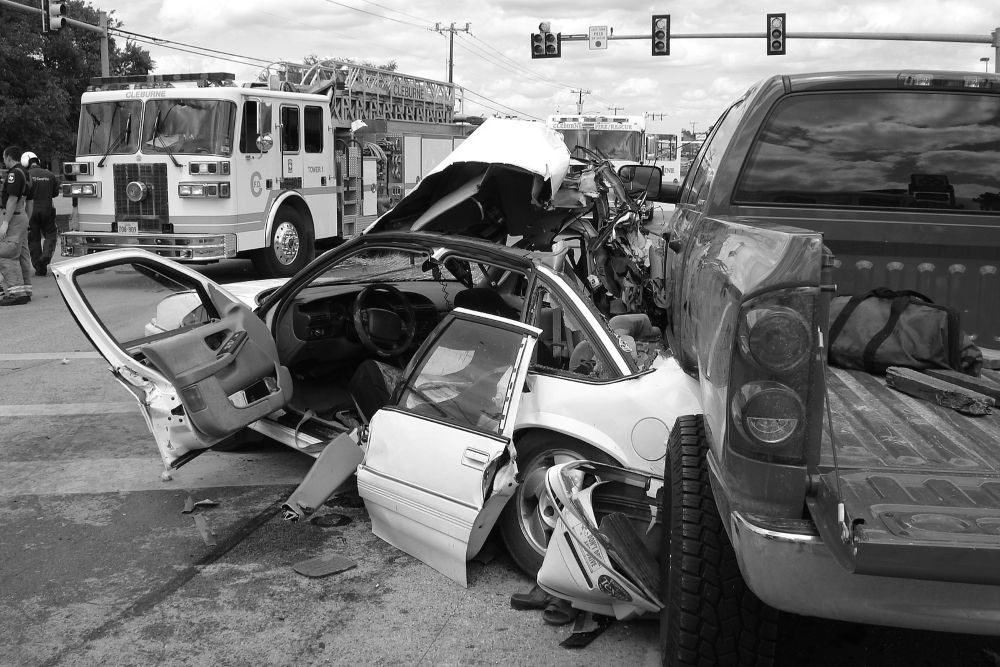
Imagine you are sitting at a red light on your way home from work. It’s an ordinary day. Then another car slams into you from behind, and in a few seconds, your normal routine is replaced by doctor visits, missed work, and a stack of bills you never asked for.
For a lot of people in that situation, the biggest concern isn’t just how badly they’re hurt. It’s whether they should even make a claim for their injuries.
I see that hesitation all the time. Sometimes, a client will sit in my office and say, “I’m not the kind of person who sues.” For other clients, it comes out a little differently. They worry they are making too big a deal of it or hurting someone who just made a mistake. Many don’t want to be seen as sue-happy, opportunistic, or the kind of person trying to cash in on a big settlement.

A lot of this comes from what many of us have heard numerous times: “People just file lawsuits to get rich.” After all my years in personal injury law, I can tell you from experience that this perception often doesn’t reflect reality. I have never met any client who was looking to get rich off an injury. They are simply trying to get their lives back. In fact, most of my clients would trade any settlement amount for the accident never to have happened.
Unfortunately, there’s no way to erase the past. We can’t wave a magic wand and make an injury go away or restore everything lost after an accident. What we can do, as personal injury attorneys, is help provide some stability so our clients can focus on healing and moving forward with their lives.
Receiving compensation in a personal injury case isn’t like winning the lottery. That money is meant to cover medical bills, lost wages, and other real losses, helping ensure a person isn’t financially devastated by an accident they didn’t cause. It can also account for the ongoing impact an injury may have on a person’s ability to work or live comfortably day to day. Anyone who views it as a windfall is misunderstanding its purpose.
It’s also important to understand that insurance exists for exactly these situations. When someone causes an accident, the insurance they carry is there to help cover the harm that follows. In most cases, an injured person is not taking money directly out of someone else’s pocket. The claim is being handled by an insurance company that took on that risk in exchange for years of premium payments.

Over the years, I’ve also seen how uncertainty about the process itself can prevent people from taking the next step. Many simply don’t know what happens after a claim is made, and that unknown can feel overwhelming.
In most situations, the process begins with understanding what happened and documenting the impact of the injury. This can include gathering medical records, reviewing the circumstances of the accident, and communicating with insurance companies. From there, efforts are typically made to reach a fair resolution through negotiation. While some cases may proceed further, many are resolved without ever going to court.
Another challenge is that small decisions made early on can have a lasting impact. Delaying medical treatment, not documenting injuries, or speaking with insurance adjusters without fully understanding the implications can complicate things later. In some cases, people unintentionally minimize their injuries early on, only to find that those statements are later used against them. Getting the right guidance early can help avoid these issues and provide clarity during a confusing time.
The way I see it, personal injury law isn’t about lawsuits at all. This work is about accountability, fairness, and helping people recover after life takes an unexpected turn. When someone is injured due to another party’s actions, there should be a path to address the consequences of that harm.
Personally, one of the most rewarding parts of what I do is seeing the relief on a person’s face when they realize they don’t have to handle everything on their own. Knowing that someone is there to advocate for them during an extremely stressful time can make a meaningful difference, not just financially, but emotionally as well.

I want to reiterate that no one is getting rich off an injury claim. A claim can help protect your health, your finances, and your future. If you find yourself trying to recover after an accident you didn’t see coming, putting hesitation aside and seeking reliable guidance early on can matter more than you might expect. Even taking the time to understand your options can provide a sense of direction during an otherwise uncertain time.
Disclaimer: This article is for informational purposes only and does not constitute legal advice.