
For years, I thought I understood my clients’ experiences. Then I became a patient myself.
As a medical malpractice attorney, I fight for people whose lives have been permanently altered by tragedy by taking on big hospital systems. Whether it’s a patient who died on the operating table after the anesthesiologist failed to notice his respiratory system failing during a routine surgery or women who experienced excruciating pain during IVF treatment, I have dedicated my life to seeking justice for others.
I came to understand my clients’ experiences by poring over their stories, medical records, and testimony. Then, in the winter of 2023, I received my own diagnosis.

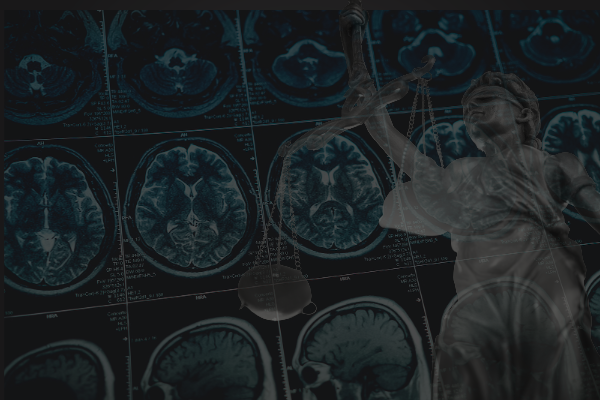
What began as headaches and flashes of light in my vision turned out to be something far more serious: a brain tumor. The visual disturbances I had dismissed as stress or migraines were focal seizures. Within days, I found myself confronting a diagnosis that instantly changed not only my relationship to fear and uncertainty, but also the way I understand and approach my work as a lawyer.
Like many lawyers, I was accustomed to being the person providing guidance, solving problems, and helping others navigate crises. Suddenly, I was the one receiving life-altering news. I was the one struggling to process medical information, weighing difficult decisions, and wondering what the future would look like.
I found myself juggling appointments with specialists, trying to absorb unfamiliar medical terminology, and living with the uncertainty of not knowing what would come next. My deep knowledge of the healthcare system and the right questions to ask didn’t make the experience any less frightening, despite having an incredible team of doctors looking after me.
My work as a medical malpractice attorney had given me a familiarity with medicine that many patients don’t have. But going through this experience firsthand taught me what it feels like to process overwhelming medical information, weigh life-changing decisions, and wonder what the future will hold. It gave me a deeper understanding of what so many of my clients face long before they ever walk into my office.

It has reinforced an important truth about effective advocacy: people need to feel understood before they can feel represented.
As trial lawyers, we are trained to focus on what is tangible: evidence, liability, damages, and outcomes. Those things are important, but every case ultimately involves a human story. Behind every medical record, expert report, and deposition transcript is a person attempting to rebuild a life that no longer looks the way it once did.
Being a patient taught me something that cannot be learned from a case file or deposition transcript: what it feels like to live inside uncertainty.
Many of our clients don’t know what their future holds and when they come to us, they are navigating more than the facts of a legal case. They are trying to navigate their lives after an injury, medical mistake, or life-changing diagnosis. Yet the legal process often demands they function with precision and consistency. As lawyers, we ask clients to revisit some of the most painful moments of their lives. They recall events from years earlier, endure lengthy depositions, submit to examinations, and repeatedly revisit some of the most painful experiences of their lives.

While my own medical experience was overwhelmingly positive – everything that quality care should be – it gave me a deeper appreciation for what my clients are going through. I learned how easily someone can appear composed while carrying an enormous emotional burden beneath the surface. The lesson for me was simple: never underestimate what a client carries into your office.
That realization changed the way I think about my role as a lawyer and the importance of leading with empathy. For me, empathy is not just about being kind; it is about understanding the full context of a person’s experience and adjusting our advocacy accordingly. That means taking more time to be present, listen actively, and help my clients navigate the legal process while recognizing the realities of their new normal.
Today, I’m also more attentive to what clients may not be saying. I recognize that delays, frustration, memory lapses, and emotional reactions are often not signs of disengagement but manifestations of stress and trauma. I know that preparation is about more than legal strategy – it’s about helping people feel supported and confident in a moment of crisis.
These lessons have made me a better advocate. They influence everything – from how we prepare clients for testimony to how we frame damages arguments before a jury. While jurors may evaluate evidence, they decide cases through their understanding of people. Lawyers who can authentically communicate a client’s lived experience are often the most effective advocates in the courtroom.
The law will always require rigorous analysis, strategic thinking, and mastery of facts. But the lawyers who make the greatest difference in their clients’ lives – and in the courtroom – are often those who bring something more to the profession: empathy, patience, and a genuine commitment to understanding the people they serve.
Every lawyer brings a unique set of life experiences to the profession. Whether those experiences involve illness, loss, caregiving, parenthood, or overcoming adversity, they can become powerful tools for understanding clients more deeply. The challenge is not to separate those experiences from our work, but to use them to become more thoughtful advocates.
I implore my fellow attorneys to lean into your experiences and don’t be afraid to bring those lessons to the office or even courtroom. When you go through something scary and potentially life-altering, you can always draw some inspiration from it.
Long before my diagnosis, I believed I was a dedicated attorney and compassionate advocate. That hasn’t changed. What has changed is the depth of perspective I bring to every client and every case.
Our personal experiences don’t diminish our ability to do this work – they deepen it. They make us better listeners, more thoughtful counselors, and stronger advocates. My brain tumor is not the reason I fight for my clients. But it has given me more fire and changed how I fight for them when they walk through my office door.