



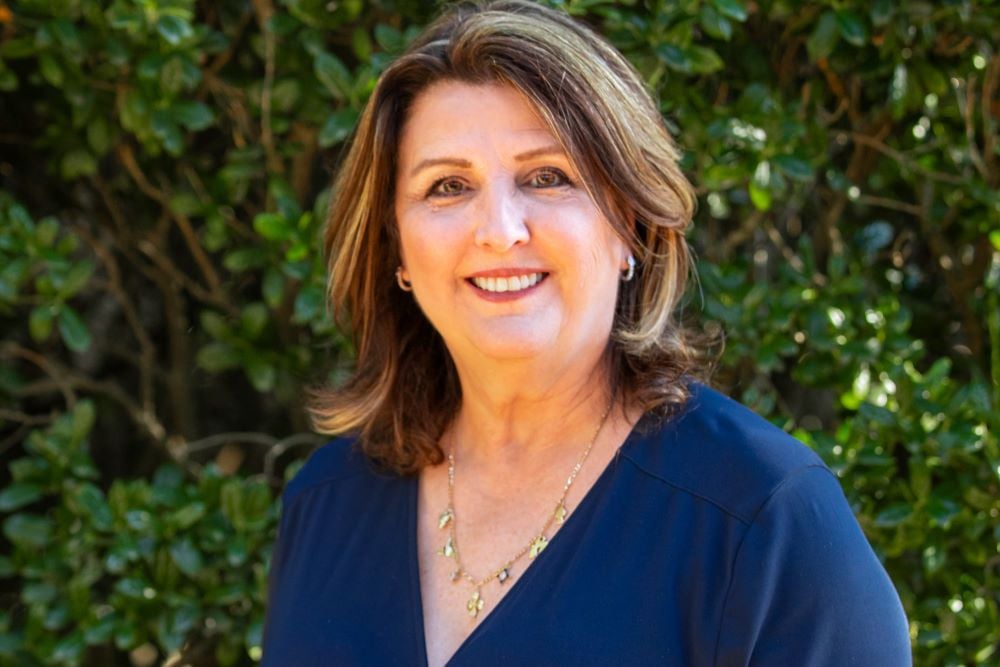

Mediation is an opportunity that should not be missed. It gives parties a time, a place, and a guide to talk in a constructive way about how to move through a dispute,” says Karen Roberts Washington.
Her considerable experience as a litigator gives her an advantage as a mediator. It was this same experience in litigation, which left an often-negative impact, that drew her to mediation. As a litigator, she saw the time, energy and hours of work going into the process of trying to get a case ready for trial and wondered if there wasn’t something that could be done to get people to the end of their dispute in a more satisfying way. She saw mediation as an effective form of risk management, saving clients time, money, grief, loss of time from a job, and the worry that’s always associated with litigation process.
“I once had someone collapse and who had to be carried away by ambulance just because of the stress of the situation. Litigation can cripple people, cripple a company’s books, and cripple someone or some entity’s future. I looked for something that was better at getting to a quicker and more useful resolution,” Washington says.
A challenge with litigation is that it is unlikely all parties will be satisfied with the outcome. The process is lengthy, costly, and emotionally and physically draining. Washington says, “I’ve seen people with a trial court judgment lose it on appeal. I’ve seen people who lost in the trial court ultimately prevail on the appeal. I’ve seen people with judgments that they could not collect. The beauty of mediation is that it saves parties from those and other risks.”
Washington’s training as a litigator also gives her the advantage of knowing what can go wrong if all the details are not evaluated and accounted for. For example, she tells some of her clients that she is good at writing contracts because she has had so many years of experience tearing them apart.
One challenge the dispute resolution field faces is a potential over-reliance on AI. “Some programs are being designed for each side to input their number goals, and a computer creates the result. There may be a place for that, but in complex cases, nothing replaces the human element of mediation. People need someone who will listen to them. And not just listen to the words, but listen for the meaning of and underlying concerns for what they’re saying. That is an essential part of moving forward.”
Washinton has served in a neutral capacity in more than 1500 disputes and has had cases in the U.S. Supreme Court, Fifth Circuit Court of Appeals, and federal, state, and county trial courts. She also serves as an administrative law judge, hearing officer and arbitrator and teaches at Texas A & M Law School.
She earned her bachelor’s degree from Texas Tech University, in Spanish, and her Juris Doctor from the University of Texas School of Law. She is involved in the legal community through organizations including the National Academy of Distinguished Neutrals, Association of Attorney Mediators and College of Commercial Arbitrators.
One of her personal joys is family. She and her husband are proud parents of four daughters who are now thriving in their own careers. They take care to carve out time from busy schedules to be together, hike, play games, and cook.



Comments 1
Thank you for information !