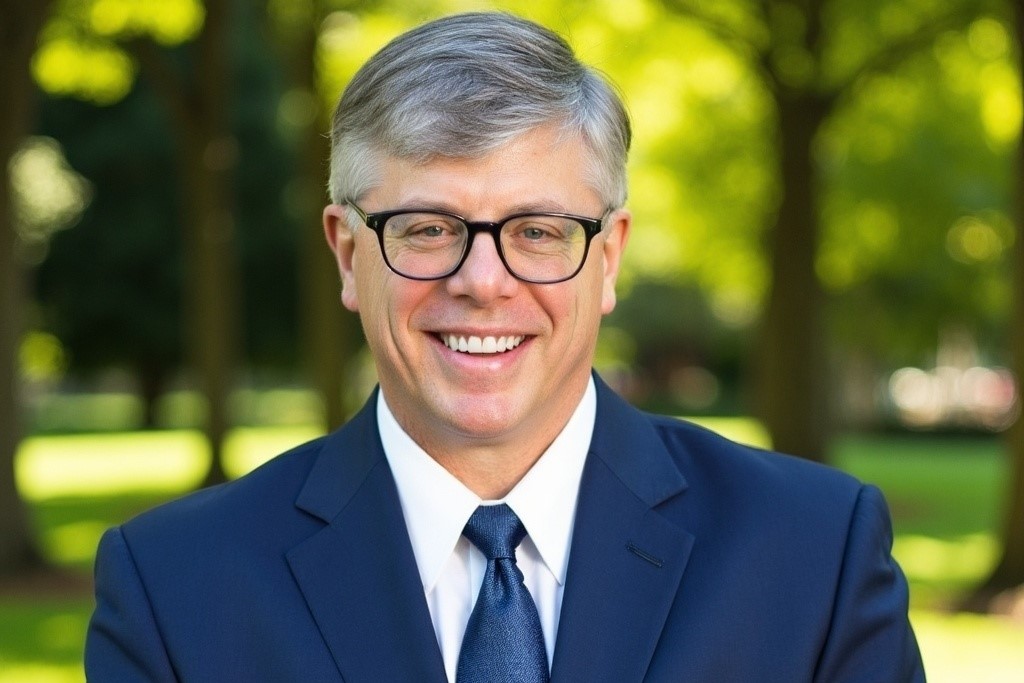

A first-generation lawyer, Robert Heath was captivated by Perry Mason as a young man. He consumed every Earle Stanley Garnder book he could find and was dedicated to becoming a trial lawyer. Today, he has transitioned to a full-time mediation practice.
AALM: Tell us about your career as a prosecutor and civil litigator.
RH: During law school, I interned at the State Attorney’s Office and tried two jury trials as a student. They offered me a position after graduation, and I spent three years prosecuting felony cases and presenting matters to the grand jury. It was meaningful work with exceptional people and gave me invaluable trial experience.
I later joined a highly respected trial lawyer in our area and handled insurance defense cases under his mentorship. Eventually, I opened my own firm and transitioned to representing plaintiffs in personal injury, product liability, and mass tort cases. Over the past 40 years, I have tried more than 100 jury trials and was honored to serve as one of the 13 lawyers on the appeals panel for the Deepwater Horizon Economic Settlement.
AALM: What prompted you to transition to mediation?
RH: I had a particularly nasty case that was ordered to mediation; and, although I was convinced it wouldn’t resolve, I told my client we had to attend. Four hours later, we walked out with a settlement. I was amazed. That experience inspired me to pursue mediation training simply to understand what made mediators effective.
To my surprise, I enjoyed it immediately, and soon colleagues began requesting me as a mediator. I found great satisfaction in helping parties resolve disputes, and the mediation side of my practice grew quickly. Ultimately, I enjoyed the work enough to devote myself to full-time mediation several years ago.
AALM: You have mediated more than 4,500 disputes across Florida in a wide variety of matters from personal injury to police misconduct. Are any especially memorable?
RH: Every resolution brings satisfaction because it allows people to avoid the uncertainty and emotional toll of litigation. A few cases, though, have stayed with me.
One involved an elderly WWII veteran who worked as a pipefitter around asbestos before protective measures existed. He developed an aggressive asbestos-related disease. He reminded me of my dad, and he deeply worried about leaving his family with overwhelming medical bills. Helping the parties reach a resolution brought him tremendous relief, and it remains one of my most meaningful mediations.
AALM: Having served as a mediator for more than 30 years, what changes have you noticed?
RH: Courts now widely recognize the benefits of mediation and frequently require it before trial. While this is a positive development, it can add pressure to already overloaded attorneys, who too often arrive unprepared.
Mediation success requires a different skill set than trial advocacy. Lawyers naturally fall back on what they do best – arguing – when sometimes the most effective approach is to listen. I often advise lawyers to leave the closing argument at the office, focus on understanding the other side’s perspective, and ensure their clients have realistic expectations.
AALM: You currently offer virtual-only mediation. When did you implement it, and what pros and cons have you seen?
RH: When the pandemic shut everything down in 2020, I quickly shifted to virtual mediation out of necessity. It has become an enormous benefit. I’m now able to mediate a case in the Panhandle in the morning, and another in Miami that afternoon – something impossible with in-person sessions. It saves everyone time, eliminates travel, and reduces cost.
The downside is that virtual mediations can feel too casual. I’ve seen attorneys wearing golf attire (or worse) and clients appear in T-shirts (or worse). Respect for the process still matters, and it goes a long way toward productive negotiations.
AALM: Have you mentored others in the legal profession? What advice do you offer to other legal professionals?
RH: I believe mentoring is an obligation that every lawyer has to support the future of our profession. Today’s attorneys face intense pressure to perform, and unfortunately that sometimes shows up as personal attacks, incivility, and rude behavior.
That conduct never advances a case. My advice is simple: treat everyone – opposing counsel, parties, and staff – with respect. Professionalism builds your reputation, and in moments when you need cooperation the most, it will serve you far better than aggression ever could.
AALM: Looking ahead, what do you hope to accomplish next?
RH: I have no to plans to slow down. My daily goal is to become a better mediator than I was the day before and to provide even greater value to those who trust me with their cases. I’ve always had the desire to write and teach, and I hope to teach an ADR course at a law school in the future.
AALM: Tell us a bit about the Amazon best-seller you wrote. What inspired you to write a book? Do you have any future books coming?
RH: My novel, The Judas Dilemma is a legal thriller about a serial killer and a sharp female attorney who unravels the mystery. It’s a story that has lived in my head for years, and writing it was incredibly rewarding. It won a national award the year it was published and briefly appeared on the Amazon bestseller list.
I’m currently working on books two and three in the series, both featuring the same protagonist and loosely inspired by cases from my career. Finding time to write can be challenging, but I’m making steady progress.
AALM: Is there anything else you’d like to add?
RH: I genuinely enjoy what I do and consider it a privilege to work with talented attorneys every day. Mediation empowers parties to craft their own outcomes and eliminate risk. I’m proud to play a role in facilitating that process.
For more information, visit robertheathmediation.com.