




Messner Reeves’ Top Mediators: Guiding Parties from Conflict to Resolution

At Messner Reeves LLP, litigation expertise and entrepreneurial spirit have long defined the firm, but the art of mediation has become a proactive—and now defining—hallmark of its practice. Among the firm’s accomplished attorneys, two stand out for their ability to guide parties from conflict to resolution as ADR practitioners: Jeff Finley and Bruce Montoya.

Though they arrived at mediation from different paths—Finley through comprehensive, multi-perspective litigation experience and Montoya through decades of trial mastery—both share a deep commitment to empathy, preparation, and the human side of dispute resolution. In the mediation room, their combined insight and discipline transform contentious, high-stakes cases into opportunities for understanding, compromise, and closure.

That approach mirrors the very foundation of Messner Reeves itself.

When Messner Reeves LLP opened its doors on April 1, 1995, it was less a traditional law firm and more an entrepreneurial experiment. Founding partner Bryant “Corky” Messner envisioned a firm that empowered attorneys to build their own practices, take ownership of their professional destinies, and serve clients with the same passion and practicality that drive successful businesses. Three decades later, that entrepreneurial spirit remains central to the firm’s identity—and is reflected clearly in its ADR practice.

“Brick by brick, we’ve built upon our original idea,” Montoya says. “We’re proud of who we are today—a strong, successful firm made up of extraordinary attorneys and incredible clients we’re honored to represent.”

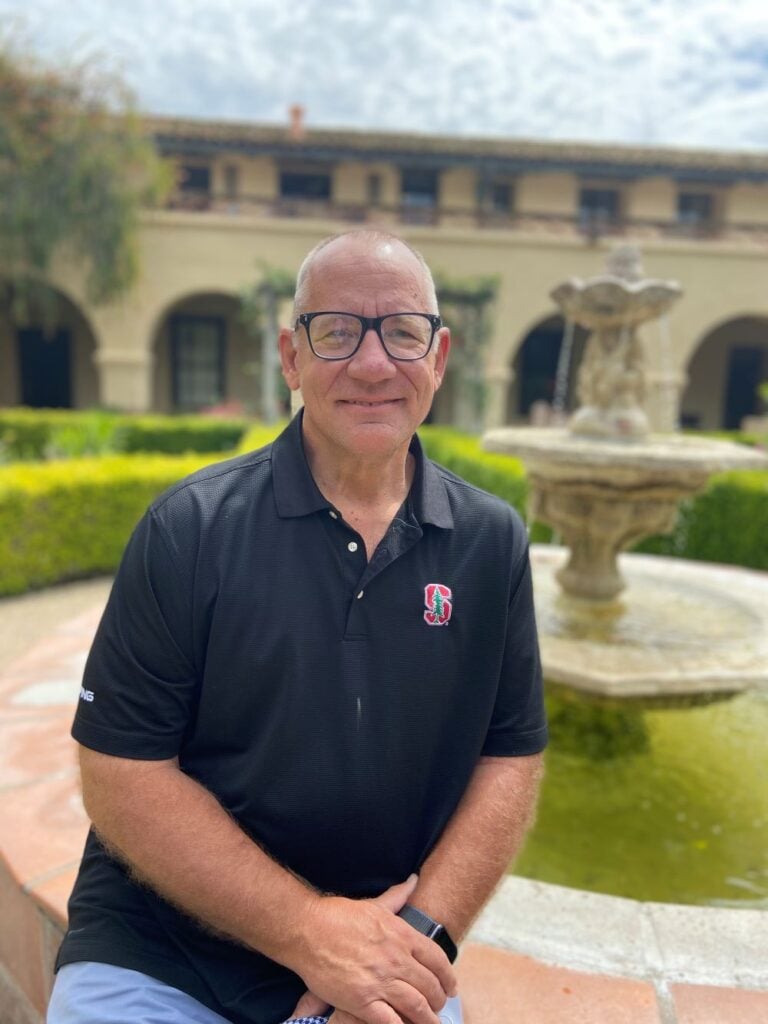
Jeff Finley
Jeff Finley
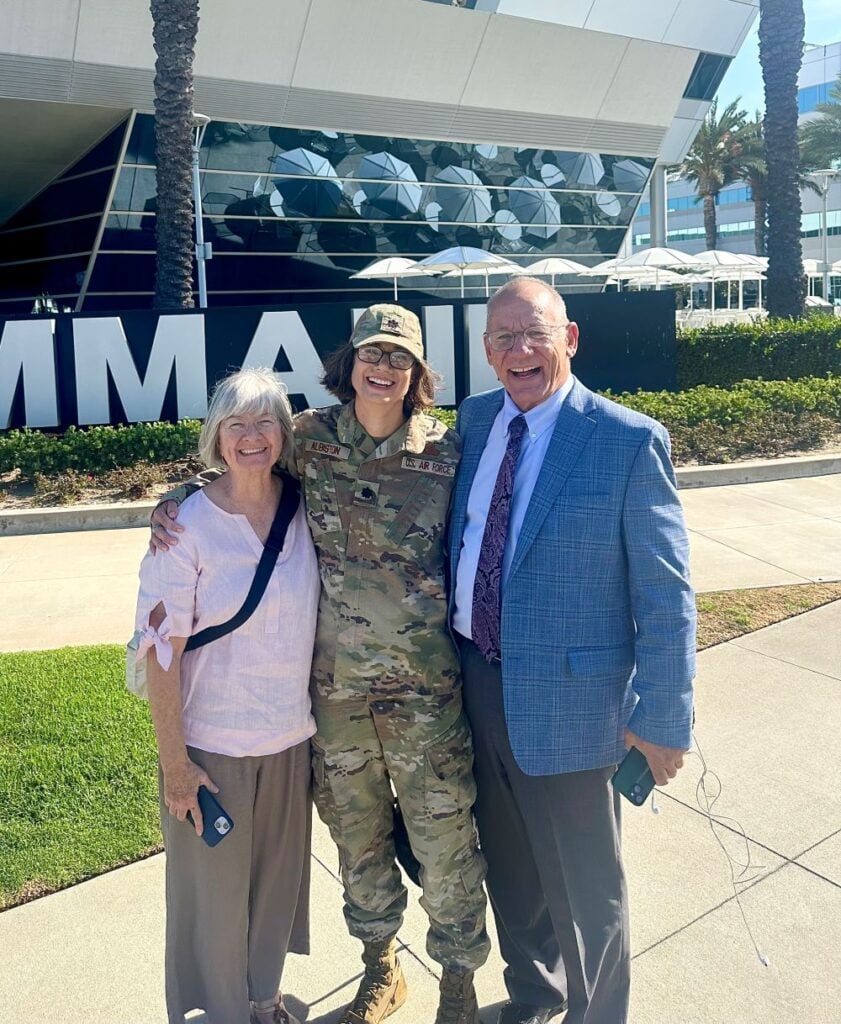
Finley and his wife celebrating their daughter’s promotion to colonel in the Air Force. L-R: Michelle, Melinda and Finley

Jeff Finley: From Litigator to Listener

Operating from Messner Reeves’ Phoenix office, Jeff Finley has participated on nearly every side of the mediation “quadrangle”—as plaintiff’s counsel, defense counsel, insurance representative, and neutral mediator. That breadth of experience gives him uncommon insight into the perspectives, pressures, and emotions that each participant brings into the room.

“I was drawn to mediation because it allows me to bring together voices that often seem irreconcilable,” Finley reflects. “When you can help people put aside strong differences and do what’s best for everyone involved, that’s far more rewarding than ongoing litigation.”

For Finley, successful mediation begins with listening—often before any numbers are discussed. “Clients want to know they’ve been heard,” he explains. “If you can accomplish that, you can move them from emotional reaction to practical resolution. That’s when real progress happens.”

He recalls one particularly surprising case where expectations were low. “Everything I had read before the client arrived suggested it would be terrible. Colleagues said, ‘If you can solve this, hats off to you.’ But the plaintiff walked in and simply needed to vent. After hearing him, we settled the case quickly. He just needed someone to listen.”

In another instance, a frustrated client angrily questioned how Finley could represent the opposing side. “Once she expressed that anger, we were able to settle—just one dollar more than we had offered. But it was enough to make all the difference.”

Finley sees these moments as reminders that mediation is as much emotional intelligence as legal analysis. “Most people assume the other side is unreasonable without fully assessing their own case,” he says. “Often clients harbor unrecognized anger, which can stall negotiations. The key is helping them see beyond that emotion to find a path forward.”

That ability to balance intellect with empathy aligns seamlessly with Messner Reeves’ client-centered philosophy—one that encourages attorneys to combine entrepreneurial independence with collaborative support.

Bruce Montoya: The Veteran’s Perspective

For Bruce Montoya, a Denver-based trial attorney with more than 40 years of experience, mediation represents an evolution rather than a departure from litigation. Having tried high-exposure personal injury, commercial, and class-action cases, Montoya brings a level of credibility that resonates immediately with parties and counsel alike.

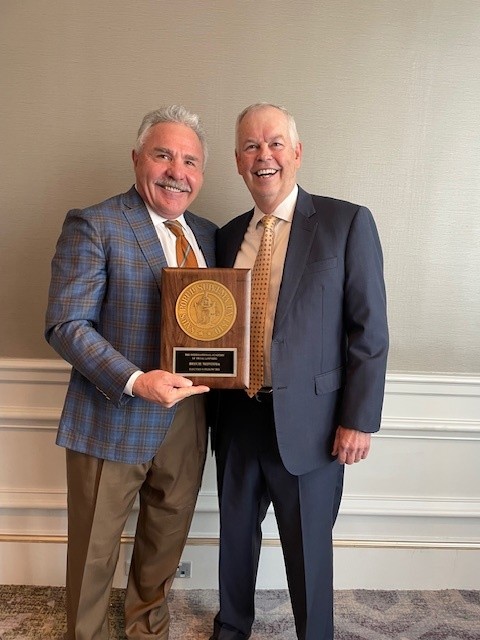
His reputation has earned him membership in elite trial lawyer organizations, including the International Society of Barristers, the American Board of Trial Advocates, and the International Academy of Trial Lawyers.

“Mediation is about helping parties find an amicable solution and avoid the emotional and financial costs of arbitration or trial,” Montoya says. “It’s a chance to give both sides their day, to ensure they’re heard, and to guide them toward a resolution they can live with.”

Montoya emphasizes that trust is the cornerstone of effective mediation. “The parties need to believe the mediator doesn’t have a preconceived bias. Once that mutual trust exists, 90 percent of the battle is won.”

He also believes in allowing emotion to surface early in the process. “There is definitely an emotional overlay at the outset. If you can make parties feel heard and understood, you can move on to constructive discussion about resolving the dispute.”

He recalls mediating a particularly charged case where one side threatened repeatedly to walk out. “We paused the session, and I let them tell me their frustrations without interruption. By the end of the morning, they were laughing a little at the situation and ready to negotiate seriously. It’s moments like that which remind me why this work is so rewarding.”

Beyond the mediation room, Montoya’s commitment to justice extends into the broader community. He co-founded the Colorado Hate Crimes Task Force, volunteered with the ABA’s Post-Conviction Death Penalty Project, and has long supported diversity, equity, and inclusion initiatives for aspiring attorneys—efforts that reflect the firm’s broader mission of service and leadership.

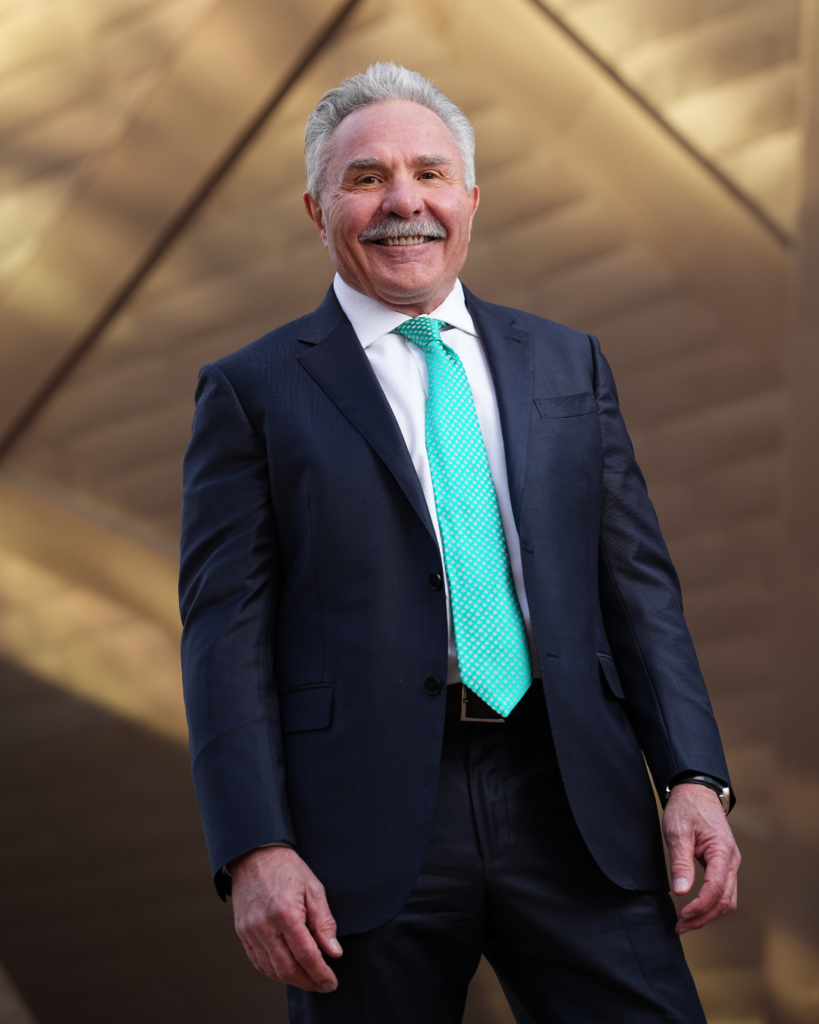
Bruce Montoya
Bruce Montoya's induction into International Academy of Trial Lawyers

A Shared Philosophy of Resolution

Both mediators emphasize that meaningful resolution begins with respect, empathy, and thorough preparation—long before parties ever engage in substantive negotiation. That mindset reflects the firm’s founding belief that legal practice should be both principled and practical, grounded in service as much as strategy.

For Finley, trust is the foundation upon which every successful mediation is built. “It’s about trust—earning it, keeping it, and showing clients you’re fully committed to the process,” he says.

Montoya shares that view, noting that once emotion is acknowledged and parties feel genuinely heard, progress often follows naturally. “Once parties feel heard, they can start to think constructively,” he explains. “That’s when mediation really works.”

Their complementary styles—Finley’s multi-perspective insight and Montoya’s seasoned authority—allow Messner Reeves to approach disputes from multiple vantage points and tailor ADR processes that consistently produce meaningful outcomes.

Looking Ahead: The Next 30 Years

As Messner Reeves celebrates its 30th anniversary, its ADR practice—anchored by the skill and experience of mediators Jeff Finley and Bruce Montoya—stands poised to play an even greater role in shaping client outcomes and strengthening the firm’s service model.

Collectively, the mediators handle a broad spectrum of dispute types across mediation, arbitration, and hybrid processes. Their work spans complex commercial litigation, employment matters, and personal injury disputes—areas where Montoya notes the “human element” is often just as important as the legal one. Finley brings deep experience in commercial and injury matters. This range allows them to approach disputes from multiple vantage points and tailor processes that lead to consistent, meaningful resolutions.

Montoya attributes their success to the strength of their individual approaches—and the discipline required to adapt those methods to the needs, personalities, and pressures of each case. “You take the skills that have made you successful in litigation,” he explains, “and you refine them for the mediation or arbitration setting. When done well, that consistency in approach leads to consistently strong outcomes.”

Looking ahead, Montoya expects ADR to expand significantly—not just within Messner Reeves, but across the legal system. With fewer civil jury trials occurring nationwide and more commercial contracts incorporating mandatory mediation or arbitration clauses, he anticipates a steady shift toward private resolution. He also sees technology, particularly the rapid evolution of AI, becoming increasingly influential. While he stresses the importance of ethical boundaries—no replacement of judgment, no plagiarism—he believes AI can streamline processes, reduce costs, and ultimately make high-quality dispute resolution more accessible.

Despite that growth of ADR, Montoya is clear that it will never replace the firm’s trial practice. Instead, it will continue to complement it. “We will never become exclusively ADR,” he says. “But we will always have lawyers committed to providing these services for our clients, and that role will only grow over time.”

Through the expertise, dedication, and humanity of mediators like Jeff Finley and Bruce Montoya, Messner Reeves continues to demonstrate that legal practice is not just about resolving disputes—but about creating understanding, fostering trust, and achieving meaningful outcomes for every client.

Brick by brick, the firm continues to evolve—remaining true to its entrepreneurial roots while giving clients every possible pathway to resolution, clarity, and closure.

Messner Reeves continues to demonstrate that legal practice is not just about resolving disputes—but about creating understanding, fostering trust, and achieving meaningful outcomes for every client.

At a Glance

Messner Reeves LLP
1550 Wewatta St, Suite 710
Denver, CO 80202
303-623-1800
www.messner.com