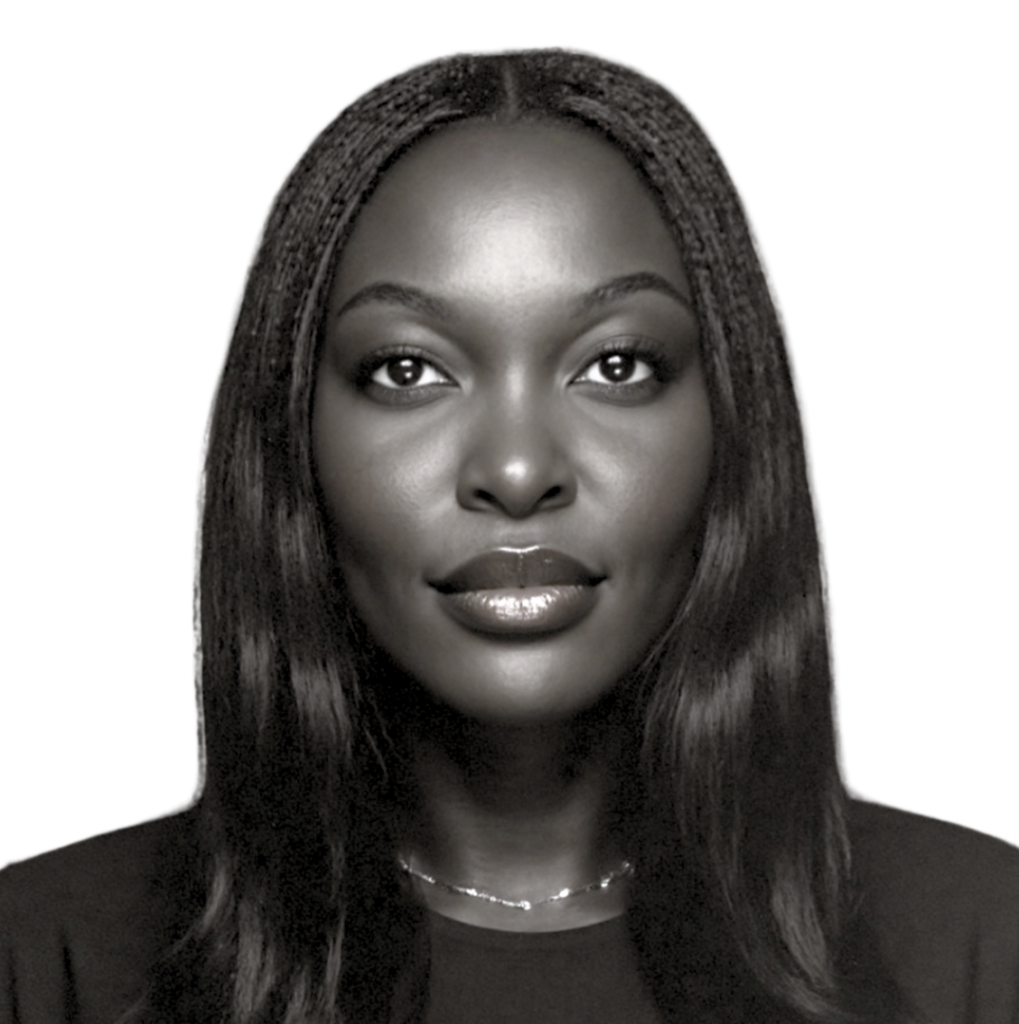
A central focus of the Club is helping experts understand how they are evaluated from the attorney’s perspective — and then giving them the tools to meet that bar across every phase of an engagement.
“I think attorneys are evaluating now more than ever how clearly you can communicate and how you can translate your expertise,” Oyomba says. “They want to see credibility beyond the CV.”
That expectation reflects a shift within the legal profession. While credentials remain essential, they are no longer the sole determining factor. Attorneys are looking for experts who can connect their knowledge directly to the facts of a case, explain complex ideas clearly, and maintain composure under scrutiny. “The bar is rising—not just for expertise, but for execution,” Oyomba adds.
Meeting that bar requires mastering a much wider set of skills than most experts realize when they first enter the field. The Club’s programming is built around that full picture. Members work on how to position themselves at the front end of an engagement — refining professional summaries, structuring a CV so relevant experience is visible within seconds, and presenting information so it lands with a non-expert audience. Even small adjustments can determine whether an expert gets the interview at all.
“It sounds simple,” Oyomba says, “but the alignment alone can completely change whether somebody gets interviewed or not.”
But getting hired is only the beginning. The Club also focuses on the craft of the work itself: writing expert reports that withstand scrutiny, preparing for and surviving deposition, and holding up under the rhythms and traps of cross-examination. These are the moments where cases are won and lost, and they require skills that are rarely taught anywhere else.
Equally important — and equally overlooked — is the business side of expert witness work. Members develop practical fluency in project management, contracting, scoping engagements, and setting rates. For experts who run their practice as a “third vocation” alongside academia or industry, these are often the skills that separate a sustainable practice from an unsustainable one.
Underpinning all of it is something harder to teach but just as essential: a working understanding of how litigation actually unfolds, and where the expert witness fits within it. Most experts come into the legal system with only a partial view of the process — what attorneys are trying to accomplish at each stage, how strategy shifts between discovery and trial, and why a brilliant report can still be undermined by a poorly handled deposition. The Club’s faculty of seasoned litigators help members build that broader perspective so they can operate as genuine partners to the legal team rather than narrow technical contributors.
Taken together, the Club’s programming addresses the full arc of expert witness work — from first impression through final testimony, and from substantive analysis through the business of running a practice.