


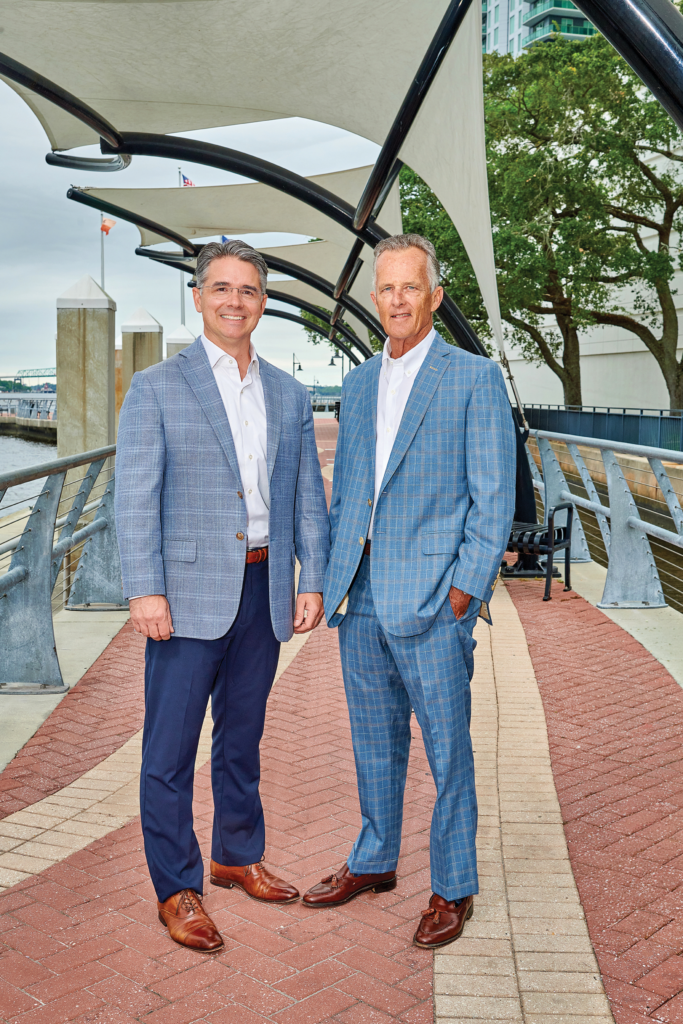
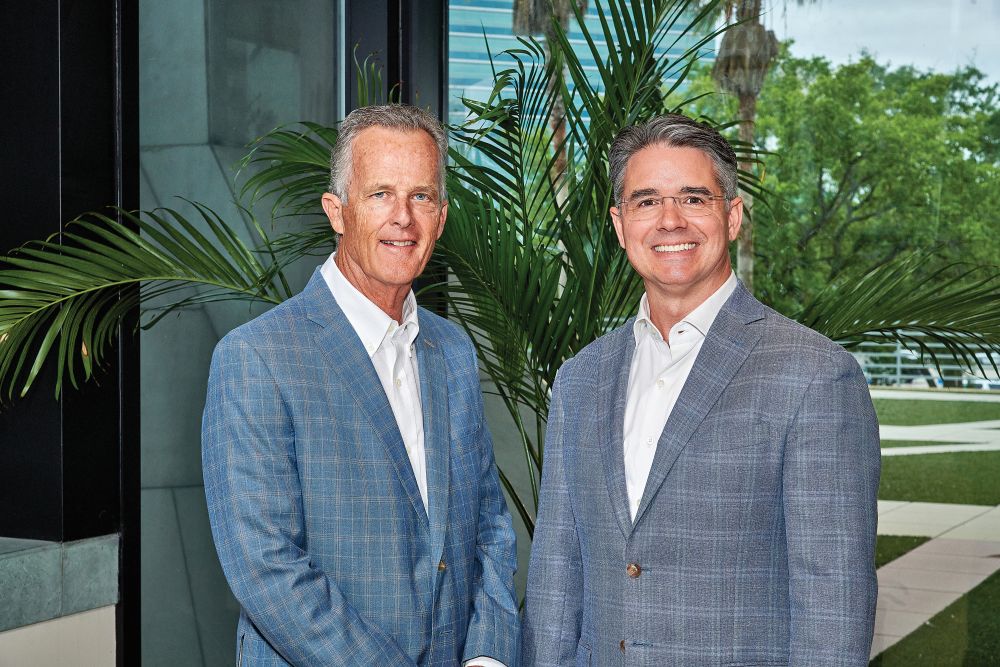


Robert Travieso and Robert McLeod: Where Referral Trust Meets Trial Readiness

In today’s legal marketplace, referrals are often spoken about as a measure of success. For many firms, they are a welcome byproduct of visibility, advertising, or name recognition. But within the legal profession itself, referrals carry a far deeper meaning. Attorneys do not casually entrust clients—particularly catastrophic injury or medical malpractice clients—to another lawyer. Those referrals represent hard-earned professional confidence, reputational trust, and often relationships built over decades.

At Travieso McLeod Medical Malpractice, that understanding shapes nearly everything the firm does.

For partners Robert Travieso and Robert “Mac” McLeod, referrals are not viewed as transactions or intake opportunities. They are partnerships—ones that carry responsibilities not only to the client, but to the attorney who trusted the firm enough to make the referral in the first place.

That philosophy has helped build a practice that increasingly receives significant business through attorney referrals.

When asked what ultimately earns the trust of referring attorneys, McLeod candidly says, “The check at the end of the case.”

The answer, while blunt, is only partially about economics.

“The lawyer referring the case recognizes there’s a specialist out there,” McLeod explains. “They know the client is better served by someone who regularly handles these cases. And yes, there’s an economic incentive because the referral fee exists. But that trust only continues if you maximize recovery for the client and honor the relationship professionally.”

For Travieso and McLeod, those relationships begin long before litigation is filed.

Nothing Happens Until the Referral Source Is Known

Inside the firm, referral relationships are so deeply integrated into the culture that no new matter meaningfully moves forward until one key question is answered: Who referred the client?

“We basically have an all-stop internally until we know where the case came from,” Travieso says. “Nothing happens until we understand who referred that potential client to us.”

That process is not simply administrative. It reflects the firm’s belief that referring attorneys deserve consistent communication, transparency, and respect throughout every phase of representation.

From the outset, the referring attorney becomes permanently connected to the matter within the firm’s internal systems. Whether the case ultimately proceeds to litigation, settles, or is declined altogether, the referring lawyer remains informed.

“We update referring lawyers through all the major stages of the case,” Travieso says. “And if we decline a matter, we let them know immediately because often they have a personal relationship with that client and may want to help them find another path forward.”

That attentiveness, according to both attorneys, is one reason the firm continues to see repeat referrals from lawyers who understand the complexity—and risks—of medical malpractice litigation.

The ‘DNA Chain’ of Referrals

Robert Travieso and Robert “Mac” McLeod

Perhaps the clearest example of the firm’s referral-centered philosophy is what McLeod jokingly describes as the “DNA chain” of a referral.

The policy is unusually generous—and almost unheard of within many areas of the legal industry.

If an attorney refers a client to the firm, and that client later refers another person because of their positive experience, the original referring attorney still receives a referral fee on the subsequent case—even if they have never met the second client.

“You were part of the DNA chain that created that trust,” McLeod says.

The idea was introduced to the firm by catastrophic injury attorney Tom Copeland as a way to strengthen goodwill and long-term professional relationships within the legal community.

“We’ve had lawyers call us completely confused when they receive a referral fee check,” McLeod says with a laugh. “They’ll say, ‘I have no idea who this person is.’ Then we explain that the referral chain started with them.”

The policy reflects something deeper than generosity alone. It demonstrates the firm’s view that referral relationships are not isolated transactions, but ongoing professional partnerships built on reputation and trust.

For attorney audiences, it also reinforces a broader point: the firm understands the business realities of referrals while still treating them with unusual professionalism and loyalty.

A Practice Built for Complex Litigation

Travieso McLeod intentionally focuses on medically sophisticated, high-stakes litigation rather than operating as a volume-based personal injury practice.

That distinction matters deeply to both partners.

“High-volume practice isn’t really the practice of law,” McLeod says. “At some point, you become more of a public adjuster than an actual lawyer because you simply cannot devote the time and critical thinking necessary to each case.”

Medical malpractice litigation, they argue, leaves no room for shortcuts.

These cases require extensive medical review, expert analysis, costly litigation preparation, and a willingness to proceed to trial against well-funded hospitals, insurers, and defense teams. Even conservatively, the firm estimates that a single medical malpractice case may require more than $100,000 in advanced litigation costs before reaching resolution.

Because of that reality, selectivity becomes essential.

“It’s impossible to properly trial-ready enormous volumes of cases,” McLeod says. “You cannot fully serve that many clients at the level these cases require.”

Instead, the firm intentionally limits its caseload in order to fully develop each matter for potential trial. That commitment to courtroom readiness is central to the firm’s identity.

“To maximize a client’s recovery, you have to be ready to try the case,” Travieso says. “If the other side believes you’re never actually going to trial, they’re going to offer less compensation. That’s just reality.”

The partners believe many attorneys recognize this distinction and increasingly understand that medical malpractice is not an area where general practitioners should “dabble.”

“There’s an entire chapter of Florida statutes devoted specifically to medical malpractice claims,” Travieso says. “It’s full of procedural pitfalls and technical requirements. Lawyers who appreciate that are often very quick to refer those cases to firms that regularly handle them.”

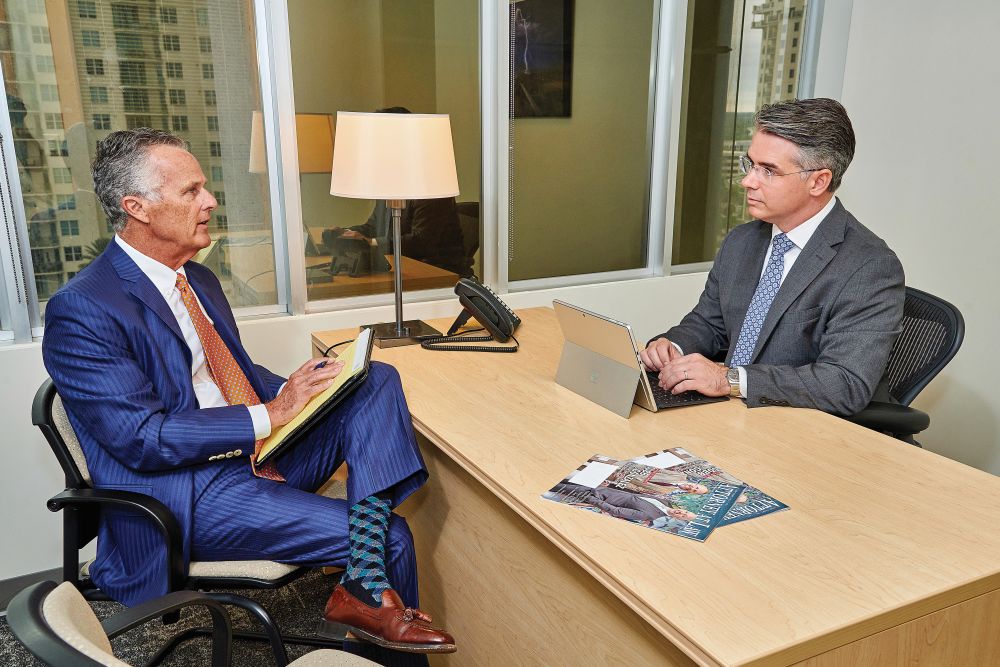
Robert Travieso and Robert “Mac” McLeod

It’s impossible to properly trial-ready enormous volumes of cases,” McLeod says. “You cannot fully serve that many clients at the level these cases require.”

Medicine and Law Under One Roof

The complexity of the firm’s work also demands something many traditional personal injury firms lack: extensive medical fluency.

McLeod’s medical background allows him to evaluate records, laboratory values, treatment decisions, and diagnostic failures without needing outside interpretation for foundational understanding.

“You can’t effectively represent these clients if you don’t understand the medicine,” he says plainly.

That emphasis on medical sophistication has expanded even further within the firm through collaboration with critical care nurse paralegal Kristin Klein and physician-attorney Dr. Fadi Shakur.

The result is a practice environment where medical and legal analysis operate simultaneously rather than separately.

For referring lawyers, that integrated structure provides confidence that medically complex cases will receive highly informed evaluation from the earliest stages of investigation.

The Human Side of Catastrophic Cases

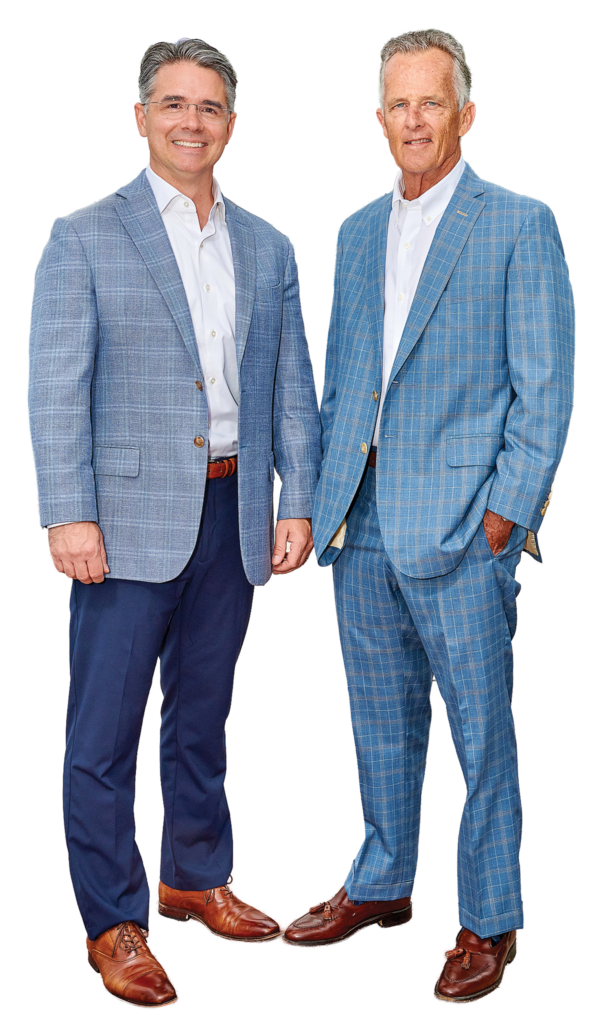
Robert Travieso and Robert “Mac” McLeod

Despite the technical complexity of the litigation, both partners repeatedly return to one core principle: listening.

Many clients arrive after life-altering injuries, catastrophic medical events, or the death of a loved one. In many cases, they feel ignored, dismissed, or unheard by the very medical providers they trusted.

“Often these clients come to us because nobody really listened to them,” Travieso says. “We see situations where warning signs were ignored or where providers jumped to conclusions without fully hearing the patient.”

McLeod believes empathy is indispensable in this work.

“These are deeply personal injuries,” he says. “People trusted someone with their life or their loved one’s life. You cannot represent them effectively if you’re unwilling to truly listen.”

The firm’s lawyers routinely visit clients in their homes to better understand their lives, routines, family dynamics, and personal stories—details they believe eventually become essential in presenting damages authentically to a jury.

“You enter their world,” Travieso says. “That’s how you really understand the story.”

Of course, carrying those stories comes with emotional weight. Travieso recalls a wrongful death case involving a 9-year-old child that still affects him deeply.

“I still think about that family,” he says quietly. “When it’s the child’s birthday, I think about them and reach out.”

Yet both attorneys believe the emotional burden becomes manageable when they know they gave everything possible to the representation.

“If we’ve given 110 percent,” Travieso says, “then at least we can put our heads on the pillow knowing we fought for them completely.”

Understated Preeminence

Although the firm continues to grow, neither partner appears particularly interested in becoming the loudest or most heavily marketed name in Florida litigation.

Instead, they seem focused on something quieter—and perhaps more difficult to achieve.

Respect.

Not only from clients, but from judges, adversaries, and especially fellow attorneys.

One of the firm’s proudest accomplishments, according to McLeod, is receiving referrals from medical malpractice defense lawyers themselves. “There’s probably no greater compliment,” he says, “than when an adversary refers a family member or friend to you.”

Travieso agrees, emphasizing that professionalism and trial readiness are not mutually exclusive. “We can disagree without being disagreeable,” he says. “We’re not screamers. We’re not chest-pounders. But nobody should mistake professionalism for weakness.”

When asked what he ultimately hopes the legal community says about the firm years from now, Travieso pauses before answering. Then, almost carefully, he offers a phrase that seems to summarize both the firm’s identity and its aspirations: “Understated preeminence.”

You enter their world. That’s how you really understand the story.”

At a Glance

Travieso McLeod Attorneys at Law
90 Fort Wade Rd, Ste. 100
Ponte Vedra, Florida 32081 United States
904-204-3013
www.traviesomcleod.com

Practice Areas

Founding Partner Robert Travieso

Education

Professional Memberships

HONORS

Founding Partner Robert L. “Mac” McLeod

Education

Professional Memberships

COMMUNITY

HONORS